In Crypto Currency How Does Proof Of Authority Work? : Vechain Foundation Whitepaper Proof Of Authority Governance Diverse Ecosystem / You can do this by buying or selling the value of crypto on a currency exchange platform, or via a cfd trading account.. Instead, transactions are validated by individuals based on the stake they have in the cryptocurrency. Because the system was decentralized, there was no central authority such as a bank to record the transactions in a ledger. Proof of work is a fairly unintuitive concept that people have a hard time understanding, for good reason. Proof of authority (poa) is a consensus model that gives a designated number of blockchain actors the power to validate transactions and update its distributed registry. It, however, does require maintaining the computer.
While proof of work rewards its miner for solving complex equations, in proof of stake, the individual that creates the next block is based on how much they have ' staked '. Mining and proof of work bitcoin introduced us to a decentralized system of doing and recording transactions. The algorithm acts as security for a cryptocurrency by making unwanted actions costly and ensuring the intended outcome (the addition of only genuine, valid transactions to the blockchain) always occurs. It, however, does require maintaining the computer. Poa consensus algorithm relies on the value of identities.
Blockchain Definition What You Need To Know from www.investopedia.com Vechain's governance model is designed to promote balance between decentralization, centralization transparency and efficiency. Validators run software allowing them to put transactions in blocks. Unlike pow, neither poa nor pos requires mining. Yet, there other consensus types like the proof of authority (poa), which is a relatively new consensus. Cryptocurrencies that allow staking use a consensus mechanism called proof of stake, which is the way they ensure that all transactions are verified and secured without a bank or payment processor in the middle. Pow are all the crypto networks that allow users to mine cryptocurrencies. Mining and proof of work bitcoin introduced us to a decentralized system of doing and recording transactions. How does proof of authority work?
Created in march 2017, this is supposed to be a more improved version of the other consensus mechanisms, improving decentralization and enhancing …
The process is automated and does not require validators to be constantly monitoring their computers. The world's largest cryptocurrency exchange by trading volume, binance, announced the official launch of its mining pool service. What is proof of work / proof of stake Proof of work (pow) to understand which cryptocurrency is easiest to mine, we need to know what are proof of work networks. This implies that the more cryptocurrency a staker has, the more mining power he will have and the more he will get rewarded. Poa stands for proof of authority. The proof of stake (pos) seeks to address this issue by attributing mining power to the proportion of coins held by a miner. Yet, there other consensus types like the proof of authority (poa), which is a relatively new consensus. Vechain's governance model is designed to promote balance between decentralization, centralization transparency and efficiency. Satoshi nakamoto was the first person to. The proof of work (pow) is a common consensus algorithm used by the most popular cryptocurrency networks like bitcoin and litecoin. Validators run software allowing them to put transactions in blocks. Mining and proof of work bitcoin introduced us to a decentralized system of doing and recording transactions.
It's more immune to centralization. What is proof of work / proof of stake It is a consensus algorithm amended from proof of stake (pos). Proof of work and proof of stake are two different validation techniques used to verify transactions before they're added to a blockchain that reward verifiers with more cryptocurrency. Most people are familiar with bitcoin's proof of work (pow) consensus, and proof of stake (pos).
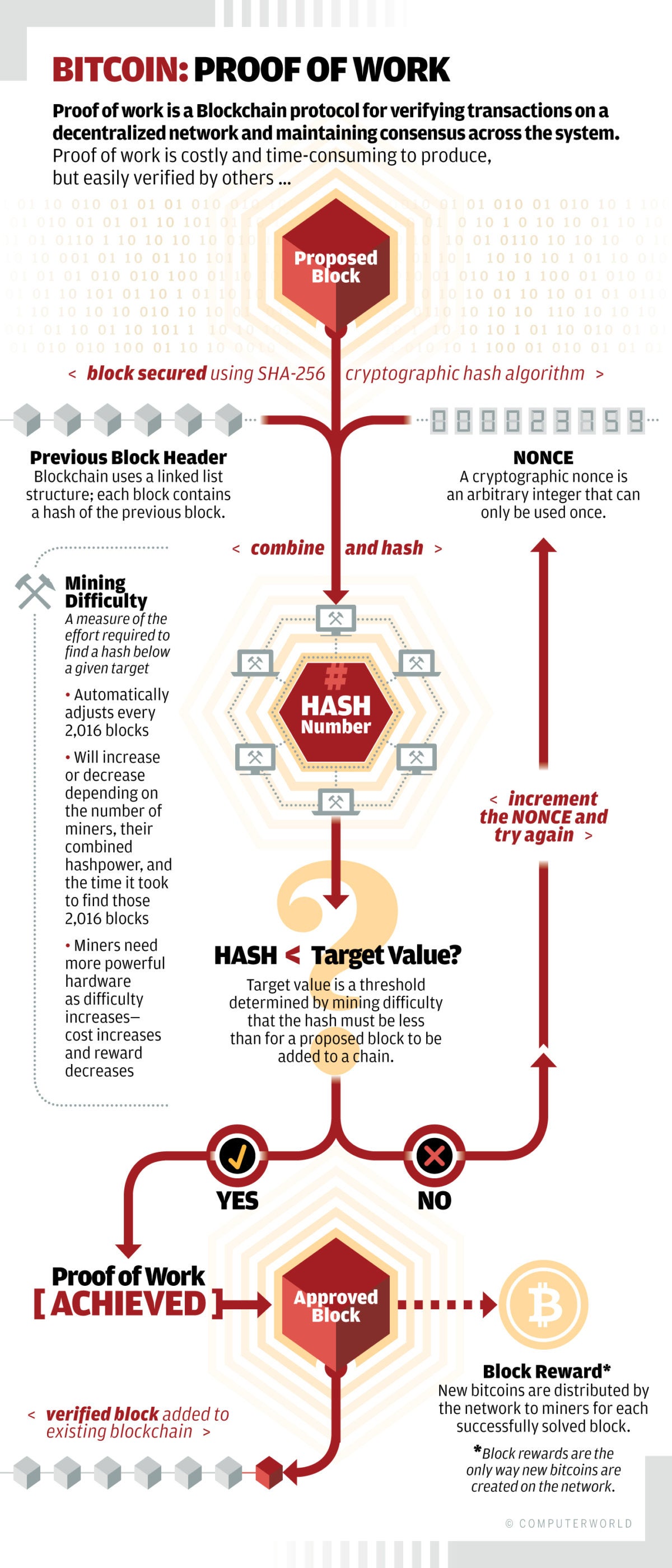
The Way Blockchain Based Cryptocurrencies Are Governed Could Soon Change Computerworld from images.idgesg.net You can do this by buying or selling the value of crypto on a currency exchange platform, or via a cfd trading account. What is proof of work / proof of stake The computing power translates into a high amount of electricity and power needed for the proof of work. Ali martinez · 1 year ago · 2 min read. Unlike pow, neither poa nor pos requires mining. Because the system was decentralized, there was no central authority such as a bank to record the transactions in a ledger. Yet, there other consensus types like the proof of authority (poa), which is a relatively new consensus. How does proof of authority work?
It is a consensus algorithm amended from proof of stake (pos).
Proof of work and proof of stake are two different validation techniques used to verify transactions before they're added to a blockchain that reward verifiers with more cryptocurrency. Unlike other proof of stake tokens, this offers one of the highest staking rewards. Yet, there other consensus types like the proof of authority (poa), which is a relatively new consensus. The world's largest cryptocurrency exchange by trading volume, binance, announced the official launch of its mining pool service. Satoshi nakamoto was the first person to. The reason your crypto earns rewards while staked is because the blockchain puts it to work. To participate in the blockchain verification process in proof of stake, users. Mining and proof of work bitcoin introduced us to a decentralized system of doing and recording transactions. The proof of work (pow) is a common consensus algorithm used by the most popular cryptocurrency networks like bitcoin and litecoin. Proof of work is a fairly unintuitive concept that people have a hard time understanding, for good reason. That means block validators are not staking their own coins but their reputation. This implies that the more cryptocurrency a staker has, the more mining power he will have and the more he will get rewarded. Ali martinez · 1 year ago · 2 min read.
Validators run software allowing them to put transactions in blocks. What proof of work (mining) actually does and how it compares to proof of stake. Proof of stake (pos) virtual currencies cannot be mined. A cryptocurrency is a digital asset that works as a medium of exchange wherein a user transfers the currency ownership in exchange for goods or services. Most people are familiar with bitcoin's proof of work (pow) consensus, and proof of stake (pos).
Blockchain Technology In The Energy Sector A Systematic Review Of Challenges And Opportunities Sciencedirect from ars.els-cdn.com Created in march 2017, this is supposed to be a more improved version of the other consensus mechanisms, improving decentralization and enhancing … Unlike pow, neither poa nor pos requires mining. A proof of work algorithm forces the miner to do some work — to use computational power — before submitting a block to the blockchain. What is proof of work / proof of stake The world's largest cryptocurrency exchange by trading volume, binance, announced the official launch of its mining pool service. To make things simple for you, the stake is based on the number of coins the person has for the particular blockchain they are attempting to mine. Proof of work (pow) to understand which cryptocurrency is easiest to mine, we need to know what are proof of work networks. I'll outline several of the roles that proof of work plays.
Theoretically, this protocol has two main advantages over pow:
Proof of work is a fairly unintuitive concept that people have a hard time understanding, for good reason. Unlike pow, neither poa nor pos requires mining. Cryptocurrencies that allow staking use a consensus mechanism called proof of stake, which is the way they ensure that all transactions are verified and secured without a bank or payment processor in the middle. The process is automated and does not require validators to be constantly monitoring their computers. Rather, they validate the account balances, and also the transactions are done on the system. I'll outline several of the roles that proof of work plays. The reason your crypto earns rewards while staked is because the blockchain puts it to work. Most people are familiar with bitcoin's proof of work (pow) consensus, and proof of stake (pos). It is a consensus algorithm amended from proof of stake (pos). Validators run software allowing them to put transactions in blocks. It's commonly characterized as being 'arbitrary' work and the purpose of it is very misunderstood. Theoretically, this protocol has two main advantages over pow: Poa stands for proof of authority.

:max_bytes(150000):strip_icc()/dotdash_Final_Blockchain_Sep_2020-02-d8258ab814a34756bf51f1f95c78dc63.jpg)